A boating accident can turn a relaxing day on the water into a dangerous emergency within moments. Knowing what steps to take immediately after a boat accident can protect your safety, preserve critical evidence, and impact your ability to recover damages. Consulting a boat accident lawyer for legal advice after a boat accident can clarify your rights and next moves. This article guides you through the crucial actions to take right after a boating accident, as recommended by a professional boat accident lawyer skilled in handling watercraft injury cases.
Immediate Safety Measures After a Boat Accident: Guidance from a Boat Accident Lawyer
The first priority once a boating accident occurs is to ensure the safety of everyone involved. In many incidents, boats can quickly capsize or take on water, posing a significant risk of drowning or severe injury. According to regulations established by the U.S. Coast Guard and other authorities, the operator must stop the vessel immediately after a collision or accident.
If it is safe, remain on the boat to avoid further danger from waves or passing vessels. If staying aboard is hazardous—such as if the boat is sinking or on fire—put on a life jacket and move to a safer location, even if that means entering the water. Rescue efforts must prioritize human life above all else.
Following the accident, check everyone on board for injuries and administer basic first aid if possible. Even minor injuries should never be ignored, as symptoms may worsen later without medical treatment. Medical evaluation is essential and preserves documentation vital for injury claims handled by a boat accident lawyer familiar with personal injury law related to boating accidents.
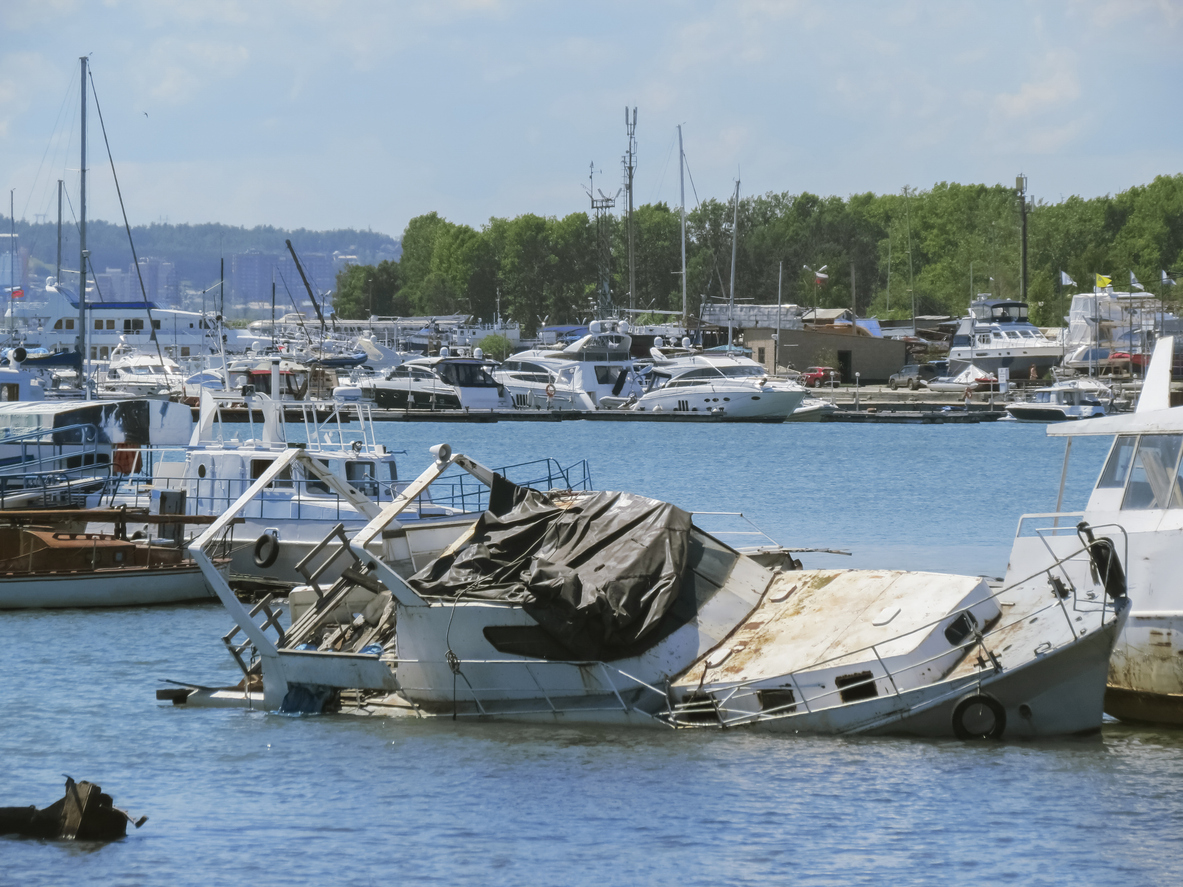
Reporting the Accident: Legal Obligations to Follow After a Boat Accident
Federal law mandates that boat operators report any accident involving injury, death, disappearance, or property damage exceeding $2,000 to appropriate authorities such as the U.S. Coast Guard or state boating agencies. Reporting is required within specific timeframes—typically within 48 hours for injuries or deaths, and within 10 days for property damage.
A responsible boat operator must not leave the accident scene without providing their information and cooperating with authorities. This report becomes crucial evidence for insurance claims and potential legal cases. Failure to report can result in legal penalties and jeopardize claim compensation.
Contacting emergency services should be done immediately after ensuring safety—dial 911 or the Coast Guard if specialized assistance is needed. Local marine police or harbor patrols might also respond quicker in coastal or harbor areas.
Documenting and Preserving Evidence for Your Case with a Boat Accident Lawyer
Once emergency needs are addressed, gathering evidence from the accident scene is critical. Photographs of the boat’s damage, injuries, weather and water conditions, and accident location help substantiate claims. If possible, using GPS coordinates to mark the site strengthens documentation.
Obtaining witness information, including names and contact details, is also vital. Witness accounts preserve unbiased observations about the accident and can support fault determination. A boat accident lawyer can later use this evidence to build a strong case for compensation.
Do not alter or discard any accident-related materials that might serve as proof, including damaged equipment or personal property. Protecting evidence shows due diligence and preserves rights in insurance or legal proceedings.
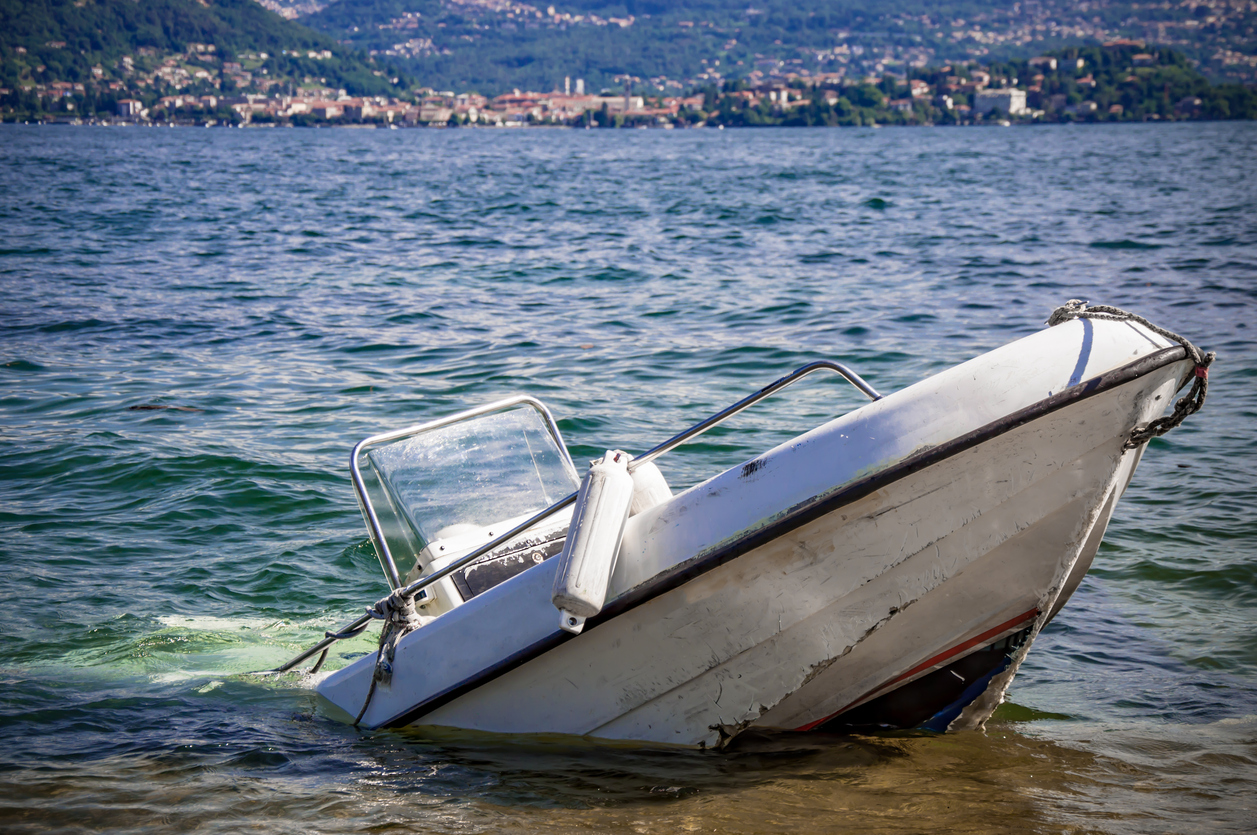
Understanding Your Legal Rights and How a Boat Accident Lawyer Can Help
The aftermath of a boating accident often involves complex liability questions — who was at fault, whether negligence or equipment failure caused the accident, and what damages apply. Federal and state laws regulate boating conduct, accident reporting, and injury claims, so knowing your rights is paramount.
A boat accident lawyer with detailed knowledge of maritime and personal injury law can evaluate the circumstances and help pursue fair compensation for medical expenses, lost wages, property damage, pain and suffering, and wrongful death claims when applicable. Legal counsel also negotiates with insurance companies to secure settlement offers aligned with the severity of the accident and damages.
To learn more about legal protections and insurance processes relating to boating accidents, you can visit the U.S. Coast Guard’s boating safety section on the official .gov website, which offers authoritative guidance on regulations and accident response.
For those seeking professional advice, engaging a qualified boat accident lawyer to navigate boating accident injury claims is a prudent step. A reliable boat accident lawyer for watercraft injury cases can advise on filing claims, gathering legal documentation, and handling negotiations with insurers.
For comprehensive legal insights and support, refer to the detailed resources available at this reliable Boat Accident Lawyer resource, where injury claims and rights after boat accidents are clearly explained.
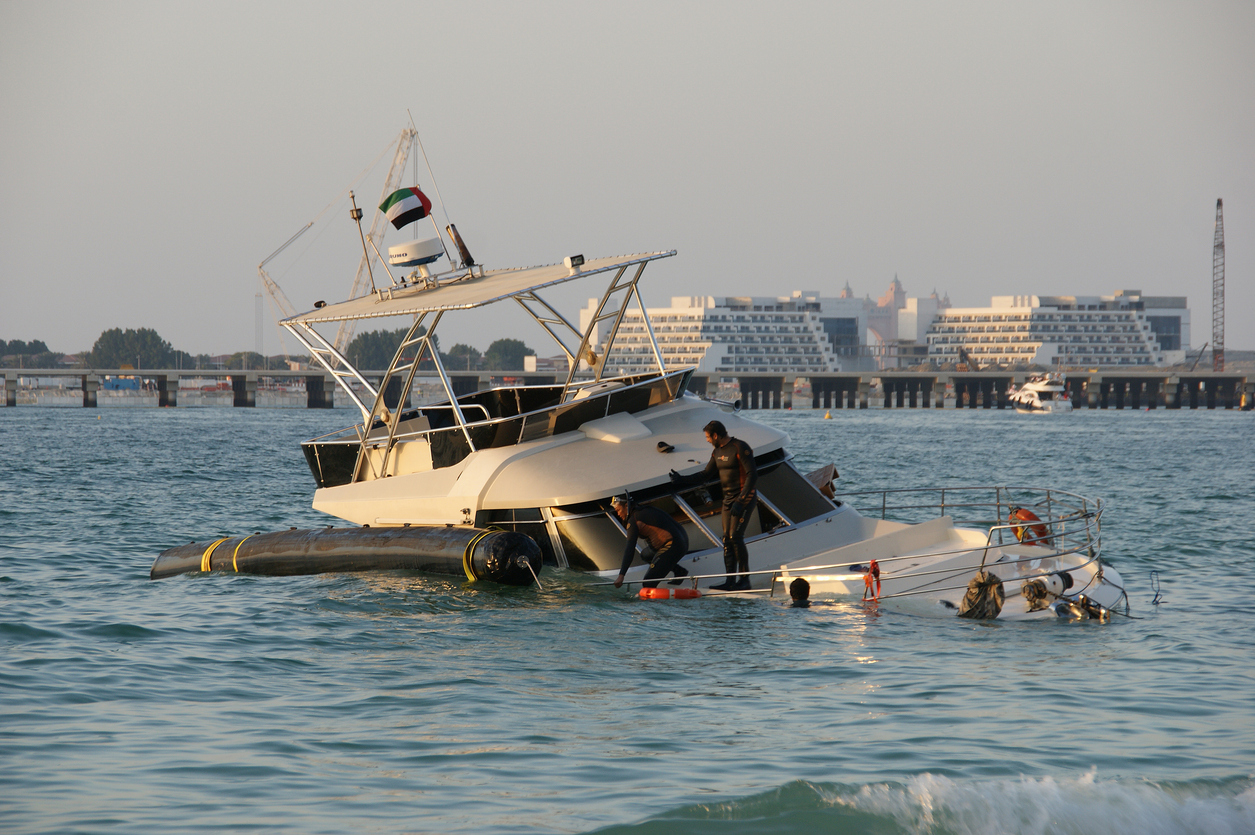
Conclusion: Act Swiftly and Protect Your Rights After a Boat Accident
A boating accident’s immediate aftermath is critical. Following safety protocols, reporting the incident to authorities without delay, documenting the accident scene thoroughly, and understanding your legal rights significantly impact the outcome of any injury or damage claims. Skilled guidance from a boat accident lawyer versed in maritime injury cases ensures that your interests are properly defended as you recover from the incident.
Taking these steps can provide peace of mind and safeguard both your physical health and financial security after a boating mishap on the water.