A rideshare collision introduces legal and procedural complexities that differ significantly from standard motor vehicle crashes. When an incident involves an app-based driver, multiple layers of insurance coverage, employment classifications, and regulatory standards immediately become relevant. Guidance from a Dallas Uber and Lyft accident lawyer perspective often emphasizes that early decisions following the crash can influence liability determinations, insurance responses, and evidentiary preservation under Texas law.
In Dallas, rideshare services operate within a framework established by state statutes, municipal regulations, and contractual insurance structures maintained by transportation network companies. Understanding what occurs in the moments and days following a collision is essential for anyone seeking clarity after such an event. From the viewpoint of a Dallas Uber and Lyft accident lawyer addressing post-crash responsibilities, the process involves careful documentation, awareness of reporting obligations, and recognition of how fault is assessed when a commercial rideshare platform is involved.
Understanding Rideshare Accidents Through a Dallas Uber and Lyft accident lawyer Perspective
Rideshare accidents differ from ordinary traffic incidents because the driver may be operating in one of several legally significant phases. A Dallas Uber and Lyft accident attorney explanation typically begins with the concept of “driver status,” which refers to whether the app was off, the driver was waiting for a ride request, or a passenger was actively being transported. Each status corresponds to different insurance thresholds and liability considerations.
Texas law allows transportation network companies to provide layered insurance coverage that supplements or replaces a driver’s personal policy. According to standards referenced by a Dallas Uber and Lyft accident lawyer approach, disputes often arise when insurers attempt to shift responsibility based on the precise timing of the crash relative to app usage. This makes contemporaneous evidence particularly important.
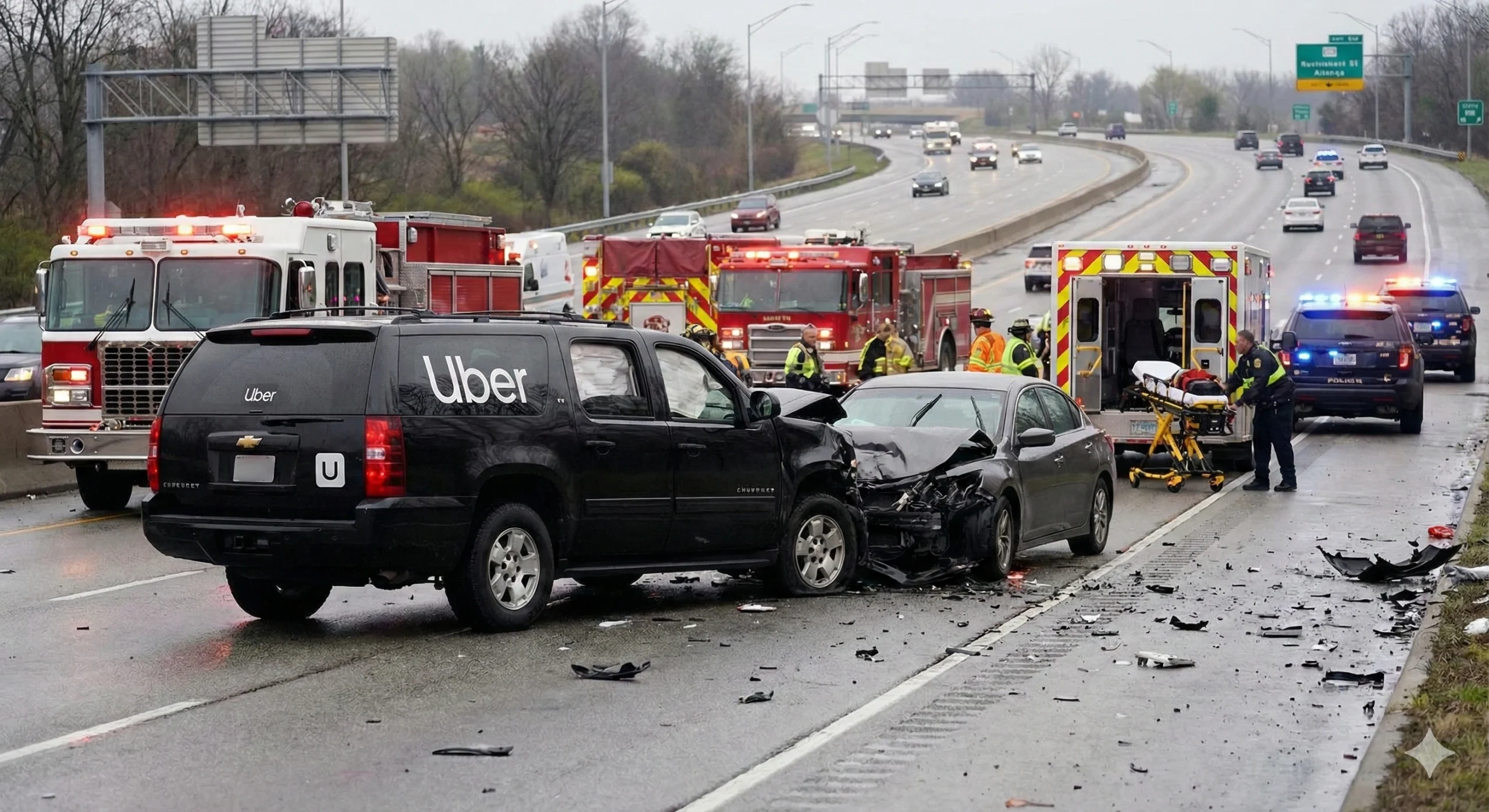
Immediate Safety Concerns After a Dallas Rideshare Collision
From the standpoint of a Dallas Uber and Lyft accident attorney analyzing post-crash conduct, the first priority remains physical safety. Even when injuries appear minor, Texas courts recognize that delayed symptoms are common in motor vehicle trauma cases. Seeking medical evaluation establishes a record that may later become relevant if injury claims are evaluated under negligence principles.
Law enforcement involvement is also significant. A Dallas Uber and Lyft accident lawyer perspective notes that a police report can serve as a neutral factual record, documenting roadway conditions, driver statements, and preliminary fault assessments. While such reports are not determinative in civil proceedings, they often influence insurance investigations.
Reporting the Incident Within Rideshare Platforms as Explained by a Dallas Uber and Lyft accident lawyer
Rideshare companies require in-app reporting of collisions, and failure to notify the platform may complicate later insurance coordination. A Dallas Uber and Lyft accident lawyer analysis often highlights that these reports create internal records that insurers reference when evaluating coverage applicability.
At the same time, statements provided through an app should remain factual and limited. From a Dallas Uber and Lyft accident attorney standpoint, admissions or speculative explanations can later be used to contest liability. Texas follows a modified comparative fault standard, meaning that a claimant’s recovery may be reduced if they are found partially responsible.
The Role of Insurance Coverage According to a Dallas Uber and Lyft accident lawyer
Insurance complexity defines rideshare litigation. A Dallas Uber and Lyft accident attorney explanation typically distinguishes between personal auto insurance and the commercial policies maintained by rideshare companies. When a driver is logged into the app, contingent liability coverage may apply, while active rides trigger higher coverage limits.
Texas insurance regulations require minimum coverage thresholds, but disputes frequently center on which policy is primary. From the viewpoint of a Dallas Uber and Lyft accident lawyer, understanding how insurers allocate responsibility is critical to evaluating potential claims.
For authoritative context, the Texas Department of Insurance provides regulatory guidance on automobile insurance structures and coverage obligations, which can be reviewed through https://www.tdi.texas.gov/ as a government-authoritative resource.
Preserving Evidence After a Rideshare Crash With Insight From a Dallas Uber and Lyft accident lawyer
Evidence preservation plays a central role in rideshare cases. A Dallas Uber and Lyft accident attorney perspective underscores the importance of documenting vehicle damage, roadway conditions, and identifying witnesses. App data, including trip logs and timestamps, may also become relevant in determining driver status.
Electronic records maintained by rideshare companies are not automatically disclosed. From a Dallas Uber and Lyft accident attorney standpoint, delays in addressing evidence concerns can result in lost or overwritten data, particularly when platforms retain information for limited periods.
Medical Documentation and Legal Standards Through a Dallas Uber and Lyft accident lawyer Lens
Medical records often form the foundation of injury-related claims. A Dallas Uber and Lyft accident attorney explanation stresses consistency in treatment and documentation, as Texas courts scrutinize gaps in care when evaluating causation. Even non-emergency treatment establishes a timeline linking injuries to the crash.
Judicial standards applied in Dallas personal injury cases require proof that the collision was a proximate cause of the injuries claimed. A Dallas Uber and Lyft accident lawyer approach often involves correlating medical findings with biomechanical forces described in accident reports.
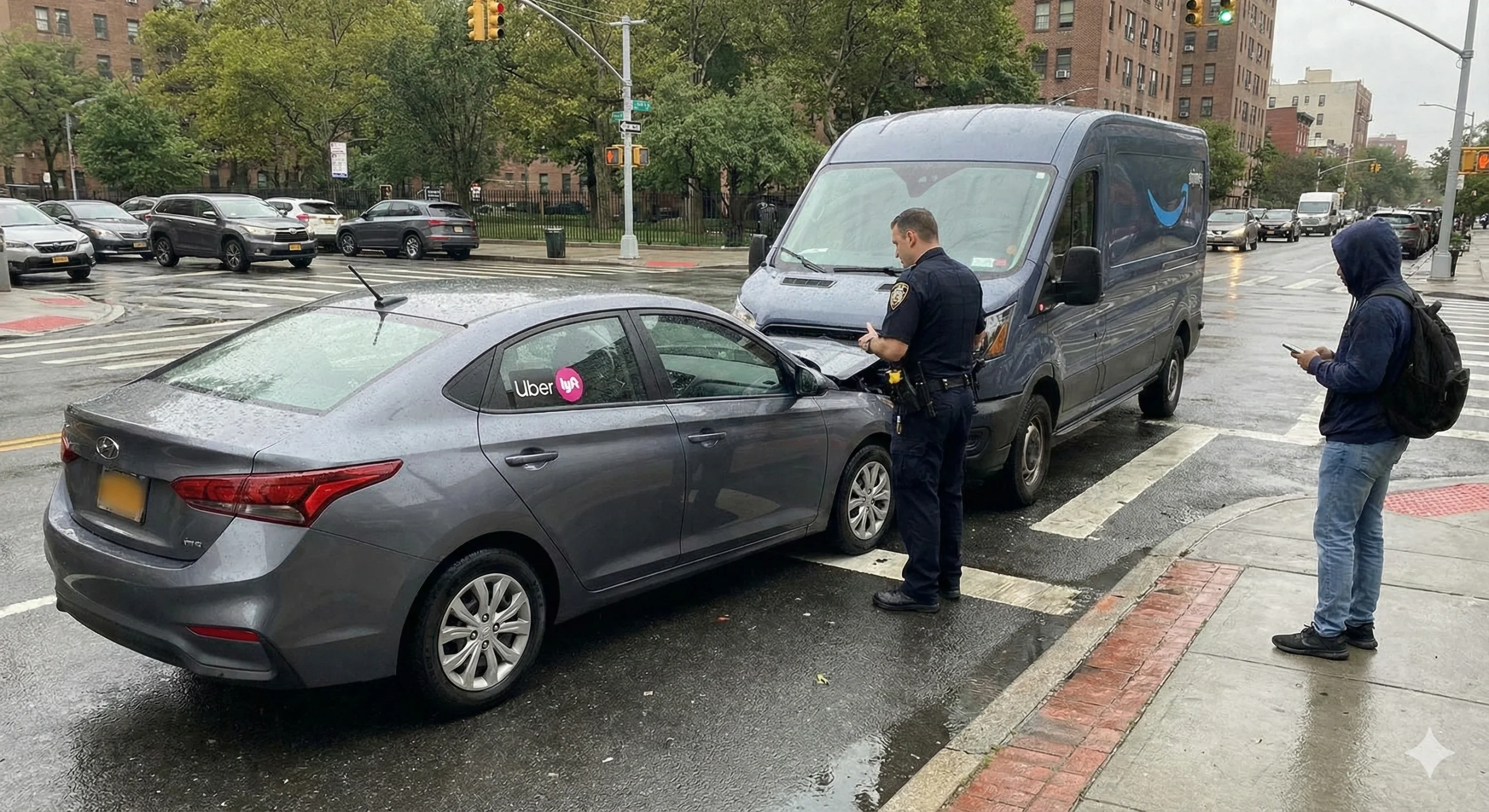
Liability Determinations Explained by a Dallas Uber and Lyft accident lawyer
Liability in rideshare accidents may extend beyond the driver to include third parties or, in limited circumstances, the rideshare company itself. A Dallas Uber and Lyft accident lawyer analysis considers whether negligent hiring, vehicle maintenance issues, or regulatory violations played a role.
Texas courts evaluate duty, breach, causation, and damages when assessing negligence. From a Dallas Uber and Lyft accident lawyer standpoint, establishing duty often involves demonstrating that the driver was acting within the scope of rideshare activities at the time of the crash.
Passenger Rights According to a Dallas Uber and Lyft accident lawyer
Passengers injured during a rideshare trip occupy a distinct legal position. A Dallas Uber and Lyft accident lawyer perspective notes that passengers are rarely considered at fault, shifting focus to driver conduct and insurance coverage. The commercial policy maintained by the rideshare platform often becomes the primary source of compensation analysis.
Understanding passenger rights requires familiarity with Texas tort principles. A Dallas Uber and Lyft accident lawyer explanation often emphasizes that passengers may pursue claims without proving employment relationships, relying instead on statutory insurance requirements.
Pedestrians and Third Parties Through a Dallas Uber and Lyft accident lawyer Analysis
Not all rideshare accidents involve passengers. Pedestrians, cyclists, and occupants of other vehicles may also be affected. A Dallas Uber and Lyft accident lawyer approach highlights that these individuals must still navigate the layered insurance system tied to rideshare operations.
Determining which policy applies depends on driver status at the time of impact. From a Dallas Uber and Lyft accident lawyer standpoint, evidence showing whether the driver was logged into the app can materially affect coverage availability.
Comparative Fault Considerations From a Dallas Uber and Lyft accident lawyer Viewpoint
Texas follows a proportionate responsibility system, which allows recovery only if a claimant is not more than fifty percent at fault. A Dallas Uber and Lyft accident lawyer explanation often addresses how insurers attempt to assign partial fault to reduce exposure.
Statements made at the scene or during early reporting may later be scrutinized. From a Dallas Uber and Lyft accident lawyer perspective, consistency between evidence sources becomes crucial when fault percentages are evaluated.
Long-Term Implications Discussed by a Dallas Uber and Lyft accident lawyer
Rideshare accidents can have lasting financial and physical consequences. A Dallas Uber and Lyft accident lawyer analysis often includes consideration of future medical needs, reduced earning capacity, and ongoing impairment. Texas law allows recovery for both economic and non-economic damages when supported by evidence.
Understanding these implications requires a comprehensive view of how courts assess damages. From a Dallas Uber and Lyft accident lawyer standpoint, long-term planning is intertwined with early documentation decisions.
Navigating Legal Processes With Insight From a Dallas Uber and Lyft accident lawyer
Civil claims related to rideshare accidents may proceed through negotiation or litigation. A Dallas Uber and Lyft accident lawyer explanation recognizes that many disputes resolve through insurance evaluation, but unresolved issues may advance to formal proceedings.
Texas procedural rules govern filing deadlines and evidentiary standards. From a Dallas Uber and Lyft accident lawyer perspective, awareness of statutory limitations periods is essential, as missed deadlines can bar recovery regardless of claim merit.
Evaluating Case Strength Through a Dallas Uber and Lyft accident lawyer Framework
Assessing the viability of a rideshare accident claim involves reviewing facts, evidence, and applicable law. A Dallas Uber and Lyft accident lawyer approach typically weighs the clarity of liability, severity of injuries, and availability of insurance coverage.
While outcomes vary, understanding evaluation criteria provides context for how such cases are viewed within the Texas legal system. From a Dallas Uber and Lyft accident lawyer standpoint, informed expectations reduce uncertainty during the process.
Dallas-Specific Considerations Explained by a Dallas Uber and Lyft accident lawyer
Dallas traffic patterns, roadway infrastructure, and local enforcement practices influence accident dynamics. A Dallas Uber and Lyft accident lawyer analysis often accounts for congestion, construction zones, and urban driving conditions when reconstructing events.
Local court practices may also shape litigation strategies. From a Dallas Uber and Lyft accident lawyer perspective, familiarity with regional procedures contributes to accurate legal analysis.
The Importance of Accurate Information According to a Dallas Uber and Lyft accident lawyer
Misinformation surrounding rideshare accidents can lead to missteps. A Dallas Uber and Lyft accident lawyer explanation emphasizes reliance on verifiable sources, statutory language, and documented evidence rather than assumptions about fault or coverage.
Texas statutes governing transportation network companies continue to evolve. From a Dallas Uber and Lyft accident lawyer standpoint, staying informed about regulatory changes supports accurate understanding of rights and responsibilities.
Contextual Reference to Rideshare Accident Law in Dallas
For readers seeking deeper legal context surrounding rideshare collisions, a discussion aligned with a Dallas Uber and Lyft accident lawyer analysis, which outlines how Texas law approaches Uber and Lyft accident liability without promotional framing.
Concluding Observations From a Dallas Uber and Lyft accident lawyer Perspective
Rideshare accidents present unique challenges that extend beyond standard traffic collisions. Through the lens of a Dallas Uber and Lyft accident lawyer, the process involves understanding layered insurance coverage, preserving evidence, and navigating Texas negligence standards.
While each situation differs, the principles governing rideshare incidents remain grounded in established legal frameworks. Approaching the aftermath of a crash with informed awareness allows individuals to better understand how liability, damages, and procedural requirements intersect under Texas law, as consistently emphasized from a Dallas Uber and Lyft accident lawyer analytical viewpoint.