Commercial truck collisions represent some of the most legally complex roadway incidents in Georgia, particularly within heavily trafficked jurisdictions such as Gwinnett County. From an evidentiary standpoint, these cases often involve overlapping layers of state tort law, federal transportation regulations, and industry-specific safety standards. Early legal analysis frequently requires insight from a Gwinnett County Commercial Truck Accident Lawyer with experience evaluating commercial vehicle liability patterns, especially when causation is disputed or when multiple entities may share fault.
Within the first stages of post-collision investigation, legal practitioners assess not only driver conduct but also systemic failures tied to fleet operations, maintenance compliance, and regulatory oversight. A Gwinnett County Commercial Truck Accident Lawyer focusing on commercial roadway incidents typically examines how statutory duties intersect with real-world trucking practices, especially in cases involving severe injury or fatal outcomes. Understanding these intersections is essential when identifying the most common contributing causes of commercial truck accidents in the county.
The following analysis explores recurring causation factors that appear in truck collision litigation, grounded in Georgia negligence principles and federal transportation standards. Each section reflects the analytical framework often applied by a Gwinnett County Commercial Truck Accident Lawyer handling complex truck crash claims, without relying on promotional language or firm-specific references.
The Legal Framework Governing Commercial Truck Accidents in Gwinnett County
The adjudication of truck accident claims in Gwinnett County is shaped by both Georgia statutory law and federal regulations issued under the Federal Motor Carrier Safety Administration. A Gwinnett County Commercial Truck Accident Lawyer applying regulatory compliance analysis must evaluate whether a carrier or driver violated duties imposed under Title 49 of the Code of Federal Regulations, which governs commercial motor vehicle operation nationwide.
Georgia negligence law requires proof of duty, breach, causation, and damages. In commercial truck cases, the duty element is often expanded due to heightened safety obligations imposed on professional drivers and carriers. Courts frequently recognize that tractor-trailers and other large commercial vehicles pose increased risk, which elevates the standard of care expected under the circumstances. A Gwinnett County Commercial Truck Accident Lawyer reviewing duty-of-care thresholds often references these heightened expectations when establishing liability.
Causation analysis further complicates these claims. Unlike standard passenger vehicle collisions, commercial truck accidents may involve mechanical failure, regulatory noncompliance, or third-party logistics contractors. A Gwinnett County Commercial Truck Accident Lawyer analyzing multi-party causation theories must therefore trace liability beyond the driver alone, examining whether operational policies or systemic failures played a determinative role.
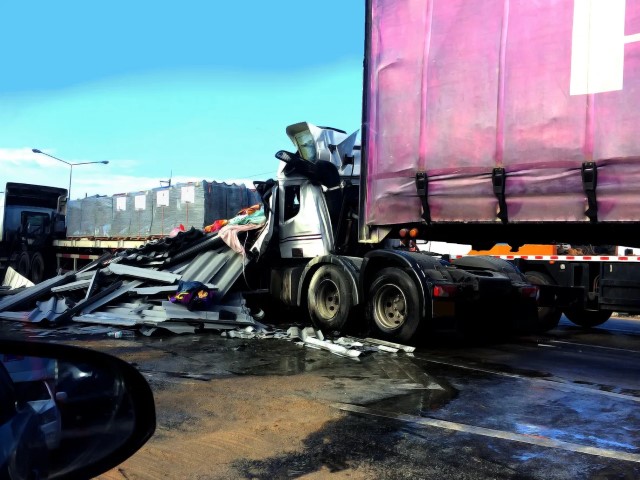

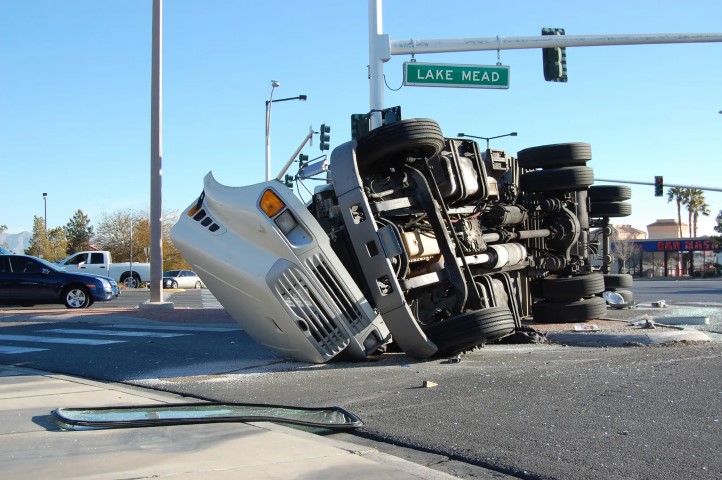
Driver Fatigue as a Leading Cause Examined by a Gwinnett County Commercial Truck Accident Lawyer
Driver fatigue remains one of the most frequently cited contributing factors in commercial truck collisions. Federal hours-of-service regulations limit the number of consecutive hours a commercial driver may operate a vehicle without rest. Despite these restrictions, violations continue to surface in post-accident investigations conducted by a Gwinnett County Commercial Truck Accident Lawyer evaluating logbook compliance.
Fatigue-related impairment diminishes reaction time, situational awareness, and decision-making capacity. From a legal perspective, evidence of fatigue may be established through electronic logging device data, dispatch schedules, and fuel or toll receipts. A Gwinnett County Commercial Truck Accident Lawyer reconstructing driver work cycles often relies on this documentary evidence to demonstrate regulatory breaches.
Courts have recognized that willful or negligent violations of hours-of-service rules can support findings of negligence per se. When fatigue contributes to a collision, liability may extend beyond the driver to the motor carrier that encouraged or failed to prevent excessive driving hours. This principle is frequently applied by a Gwinnett County Commercial Truck Accident Lawyer pursuing employer-based liability theories.
Speeding and Deadline Pressure in Commercial Truck Operations
Speeding remains another recurring factor in truck accident litigation, particularly when drivers face delivery deadlines or performance-based incentives. A Gwinnett County Commercial Truck Accident Lawyer examining operational pressure factors often uncovers policies that implicitly encourage drivers to exceed safe speeds.
Commercial trucks require significantly longer stopping distances than passenger vehicles. When speed is excessive, the margin for error narrows dramatically, increasing the likelihood of catastrophic outcomes. Legal analysis focuses on whether speed violated posted limits or constituted unreasonable conduct under prevailing road and traffic conditions. A Gwinnett County Commercial Truck Accident Lawyer applying reasonableness standards evaluates these circumstances within the framework of Georgia negligence law.
Evidence of speeding may include event data recorder information, witness testimony, and accident reconstruction findings. When combined with proof of employer-imposed deadlines, such evidence may support claims of negligent supervision or retention, a theory frequently advanced by a Gwinnett County Commercial Truck Accident Lawyer addressing systemic safety failures.
Improper Maintenance and Mechanical Failures Reviewed by a Gwinnett County Commercial Truck Accident Lawyer
Mechanical defects play a substantial role in commercial truck accidents, particularly when routine maintenance is deferred or inadequately documented. Federal regulations require carriers to conduct regular inspections and repairs to ensure vehicle safety. A Gwinnett County Commercial Truck Accident Lawyer auditing maintenance compliance records often scrutinizes inspection reports, repair invoices, and prior violation histories.
Brake failures, tire blowouts, and steering malfunctions are among the most common mechanical issues identified in post-collision investigations. When such defects contribute to an accident, liability may rest with the carrier, maintenance contractor, or parts manufacturer. A Gwinnett County Commercial Truck Accident Lawyer assessing product liability implications evaluates whether defects stemmed from design flaws, manufacturing errors, or improper servicing.
Georgia courts permit recovery when plaintiffs demonstrate that mechanical failure resulted from negligent maintenance rather than unforeseeable malfunction. This distinction underscores the importance of documentation, an area frequently emphasized by a Gwinnett County Commercial Truck Accident Lawyer handling evidentiary preservation issues.
Distracted Driving in Commercial Truck Cases
Distracted driving has gained increased attention in recent years, particularly with the proliferation of in-cab technology. Federal law restricts handheld mobile phone use by commercial drivers, yet violations persist. A Gwinnett County Commercial Truck Accident Lawyer investigating distraction-related conduct may analyze phone records, onboard camera footage, and witness accounts to establish breach of duty.
Distractions extend beyond mobile devices to include GPS systems, dispatch communications, and in-cab entertainment. From a legal standpoint, the question is whether distraction diverted the driver’s attention from the roadway at a critical moment. A Gwinnett County Commercial Truck Accident Lawyer applying causation analysis must demonstrate a direct link between the distraction and the collision event.
When distraction is proven, courts may find negligence per se if statutory violations are established. This legal doctrine is frequently leveraged by a Gwinnett County Commercial Truck Accident Lawyer evaluating statutory breach claims in commercial truck accident litigation.
Improper Cargo Loading and Weight Violations
Cargo-related issues represent another significant cause of commercial truck accidents. Federal regulations impose strict weight limits and securement requirements to prevent load shifting. A Gwinnett County Commercial Truck Accident Lawyer analyzing cargo compliance failures often reviews bills of lading, loading dock procedures, and weight station records.
Improperly secured or overloaded cargo can destabilize a truck, increasing rollover risk and impairing braking performance. Liability may extend to third-party shippers or loading contractors when their actions contribute to unsafe conditions. A Gwinnett County Commercial Truck Accident Lawyer pursuing third-party liability theories examines contractual relationships and operational control to identify responsible parties.
Government safety guidance on cargo securement standards, as outlined by the Federal Motor Carrier Safety Administration, provides authoritative context for these claims. Reference to https://www.fmcsa.dot.gov/safety/cargo-securement may be used by a Gwinnett County Commercial Truck Accident Lawyer grounding arguments in regulatory authority.
Weather Conditions and Failure to Adjust Driving Practices
Adverse weather conditions frequently exacerbate risks associated with commercial truck operation. Rain, fog, and ice demand reduced speed and heightened caution. A Gwinnett County Commercial Truck Accident Lawyer evaluating weather-related negligence considers whether the driver adjusted conduct appropriately under prevailing conditions.
Georgia law does not excuse negligent driving solely due to weather. Instead, drivers are expected to exercise reasonable care commensurate with conditions. Failure to do so may constitute breach of duty. This principle is routinely applied by a Gwinnett County Commercial Truck Accident Lawyer assessing comparative negligence defenses.
Evidence in these cases may include weather reports, roadway condition data, and expert testimony. Such materials assist a Gwinnett County Commercial Truck Accident Lawyer constructing fact-specific negligence arguments grounded in objective conditions.
Inadequate Training and Supervision in Commercial Trucking Operations
Training deficiencies remain a recurring theme in truck accident litigation. Federal regulations mandate that drivers possess appropriate licensure and training for the vehicles they operate. A Gwinnett County Commercial Truck Accident Lawyer reviewing driver qualification files examines whether carriers complied with these requirements.
Inadequate training may involve failure to instruct drivers on defensive driving techniques, hazard recognition, or equipment operation. When training lapses contribute to accidents, carriers may face liability for negligent supervision. A Gwinnett County Commercial Truck Accident Lawyer addressing employer responsibility standards often relies on internal training records and prior incident histories to support such claims.
Courts have recognized that systemic training failures can establish a pattern of negligence, particularly when similar incidents recur. This analytical approach is frequently adopted by a Gwinnett County Commercial Truck Accident Lawyer evaluating institutional safety practices.
Conclusion: Understanding Causation Through Legal Analysis
Commercial truck accidents in Gwinnett County arise from a convergence of human error, mechanical failure, and systemic oversight issues. Legal analysis requires careful examination of regulatory standards, factual evidence, and causation principles. A Gwinnett County Commercial Truck Accident Lawyer applying comprehensive liability frameworks plays a critical role in identifying how these factors interact within the bounds of Georgia law.
For those seeking deeper contextual understanding, legal discussions addressing commercial vehicle liability within Gwinnett County in an informational capacity when examining how Gwinnett County Commercial Truck Accident Lawyer case evaluations involving multi-vehicle collisions are structured under existing legal standards.
By grounding causation analysis in statutory duties, regulatory compliance, and factual investigation, this discussion reflects the neutral, explanatory approach required for high-authority legal content without promotional intent.