Rideshare transportation has become a routine part of daily life across Missouri, particularly in metropolitan areas where personal vehicle ownership is no longer a necessity. While the convenience of app-based transportation has reshaped urban mobility, it has also introduced complex legal challenges following collisions involving rideshare drivers. In this evolving legal environment, St. Louis auto accident lawyers handling rideshare collision claims play a central role in interpreting liability standards, insurance layers, and statutory duties that differ significantly from traditional motor vehicle accidents.
Within the first moments following a rideshare-related collision, injured parties are often confronted with uncertainty that extends beyond physical harm. Questions arise about whether the driver was logged into the application, whether a passenger was present, and which insurance policy governs the loss. These questions are not merely administrative but carry legal consequences that directly affect the ability to recover damages. As a result, St. Louis auto accident lawyers with experience in rideshare injury disputes are frequently tasked with untangling overlapping contractual, statutory, and insurance obligations that are unique to this form of transportation.
Missouri law continues to adapt to the presence of transportation network companies, and judicial interpretation has become increasingly nuanced. The role of St. Louis auto accident lawyers addressing rideshare accident liability has therefore expanded beyond conventional negligence analysis into areas involving commercial insurance triggers, statutory compliance, and comparative fault doctrines that require careful factual development.
Understanding Rideshare Classification Under Missouri Law Through St. Louis Auto Accident Lawyers
One of the defining legal distinctions in rideshare accident litigation lies in the classification of drivers. Unlike taxi operators or commercial truck drivers, rideshare drivers are generally categorized as independent contractors rather than employees. This classification has a direct effect on liability analysis, particularly when injured parties attempt to attribute responsibility to the rideshare company itself.
St. Louis auto accident lawyers analyzing rideshare driver classification issues often begin by examining Missouri statutes governing transportation network companies. These statutes outline the conditions under which rideshare platforms must provide insurance coverage and impose specific obligations on drivers during different operational phases. The legal relevance of whether a driver was waiting for a ride request, actively transporting a passenger, or logged out of the application cannot be overstated.
Courts in Missouri have consistently relied on statutory definitions rather than traditional agency principles when determining rideshare responsibility. As a result, St. Louis auto accident lawyers focusing on Missouri rideshare statutes emphasize documentary evidence such as trip logs, app screenshots, and timestamped digital records. These materials help establish the driver’s operational status at the time of the collision, which in turn determines which insurance policy applies.
The statutory framework also affects how negligence is evaluated. While the driver’s conduct remains central, the availability of coverage and the procedural steps required to access it are governed by statutory mandates that differ from standard auto liability cases. This layered legal structure underscores the importance of informed legal interpretation.
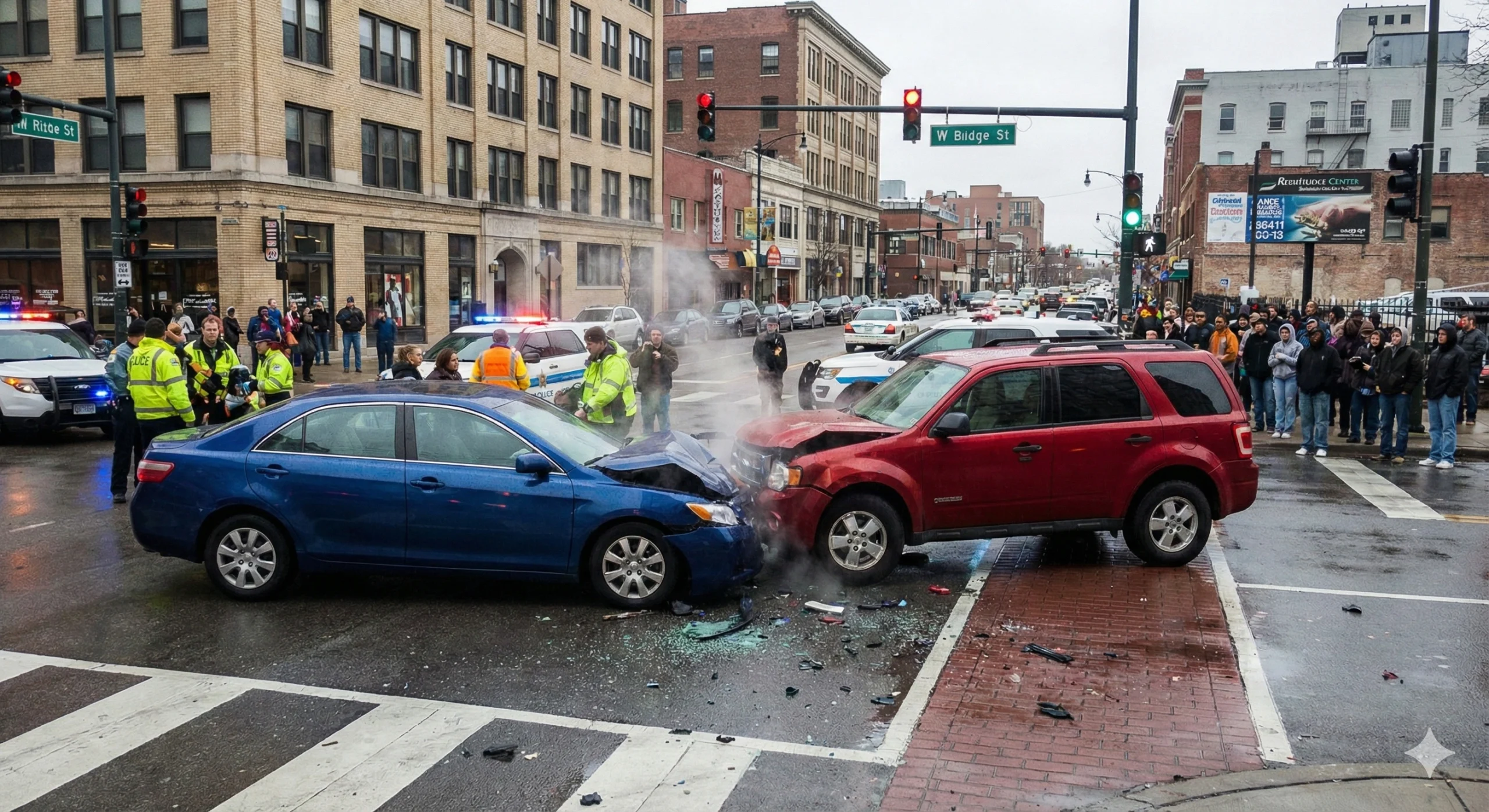
Insurance Layer Complexity Explained by St. Louis Auto Accident Lawyers in Rideshare Cases
Insurance coverage is often the most contested issue in rideshare accident claims. Unlike traditional accidents where a single personal auto policy typically applies, rideshare incidents involve multiple tiers of insurance that activate depending on driver status. St. Louis auto accident lawyers experienced in rideshare insurance disputes routinely navigate these tiers to determine coverage limits and priority.
When a driver is logged into the rideshare application but has not yet accepted a ride, Missouri law requires contingent liability coverage that differs from full commercial coverage. Once a ride is accepted or a passenger is present, higher coverage thresholds apply. These distinctions significantly influence claim valuation and settlement negotiations.
The challenge arises when insurance carriers dispute driver status or attempt to shift responsibility to another policy. St. Louis auto accident lawyers handling rideshare insurance conflicts often encounter delays caused by coverage investigations, policy exclusions, and coordination between multiple insurers. Resolving these disputes requires a detailed understanding of policy language, statutory requirements, and judicial precedent.
In some cases, personal auto insurers deny coverage entirely based on commercial use exclusions, leaving injured parties reliant on rideshare-provided policies. This scenario further reinforces the need for precise factual documentation and legal analysis. Without clarity regarding insurance triggers, injured individuals may face prolonged uncertainty regarding compensation.
How St. Louis Auto Accident Lawyers Address Passenger Injury Claims After Rideshare Collisions
Passengers injured while using rideshare services occupy a distinct legal position. Unlike third-party motorists, passengers are rarely alleged to have contributed to the accident, which simplifies fault analysis but complicates insurance recovery. St. Louis auto accident lawyers representing injured rideshare passengers focus on establishing the applicable coverage tier and documenting the full scope of damages.
Passenger claims often involve medical expenses, lost income, and long-term rehabilitation needs. Missouri’s comparative fault system generally does not reduce recovery for passengers unless extraordinary circumstances exist. However, insurers may still scrutinize medical necessity, causation, and preexisting conditions. St. Louis auto accident lawyers managing passenger injury documentation work to ensure that medical records and expert opinions align with statutory and evidentiary standards.
In addition, passenger claims may involve arbitration clauses embedded within rideshare user agreements. These clauses can affect dispute resolution procedures, although they do not eliminate the right to seek compensation. Understanding how these contractual provisions interact with Missouri law is another area where legal analysis becomes critical.
Pedestrian and Third-Party Claims Handled by St. Louis Auto Accident Lawyers After Rideshare Accidents
Not all rideshare accidents involve passengers. Pedestrians, cyclists, and occupants of other vehicles are frequently injured in collisions involving rideshare drivers. St. Louis auto accident lawyers pursuing third-party rideshare injury claims must establish negligence while also proving the driver’s operational status to access appropriate insurance coverage.
Third-party claims often involve disputes over fault allocation, particularly in congested urban environments. Missouri’s pure comparative fault doctrine allows recovery even when an injured party shares responsibility, although damages are reduced proportionally. St. Louis auto accident lawyers applying comparative fault principles in rideshare cases analyze traffic laws, accident reconstruction evidence, and witness testimony to present an accurate liability picture.
Government traffic safety data is sometimes referenced to contextualize accident risk and roadway conditions. For example, crash statistics published by the Missouri Department of Transportation are frequently cited in litigation analysis to illustrate traffic density and accident patterns, as documented by https://www.modot.mo.gov/. Such authoritative sources help ground legal arguments in publicly verifiable data without promotional framing.
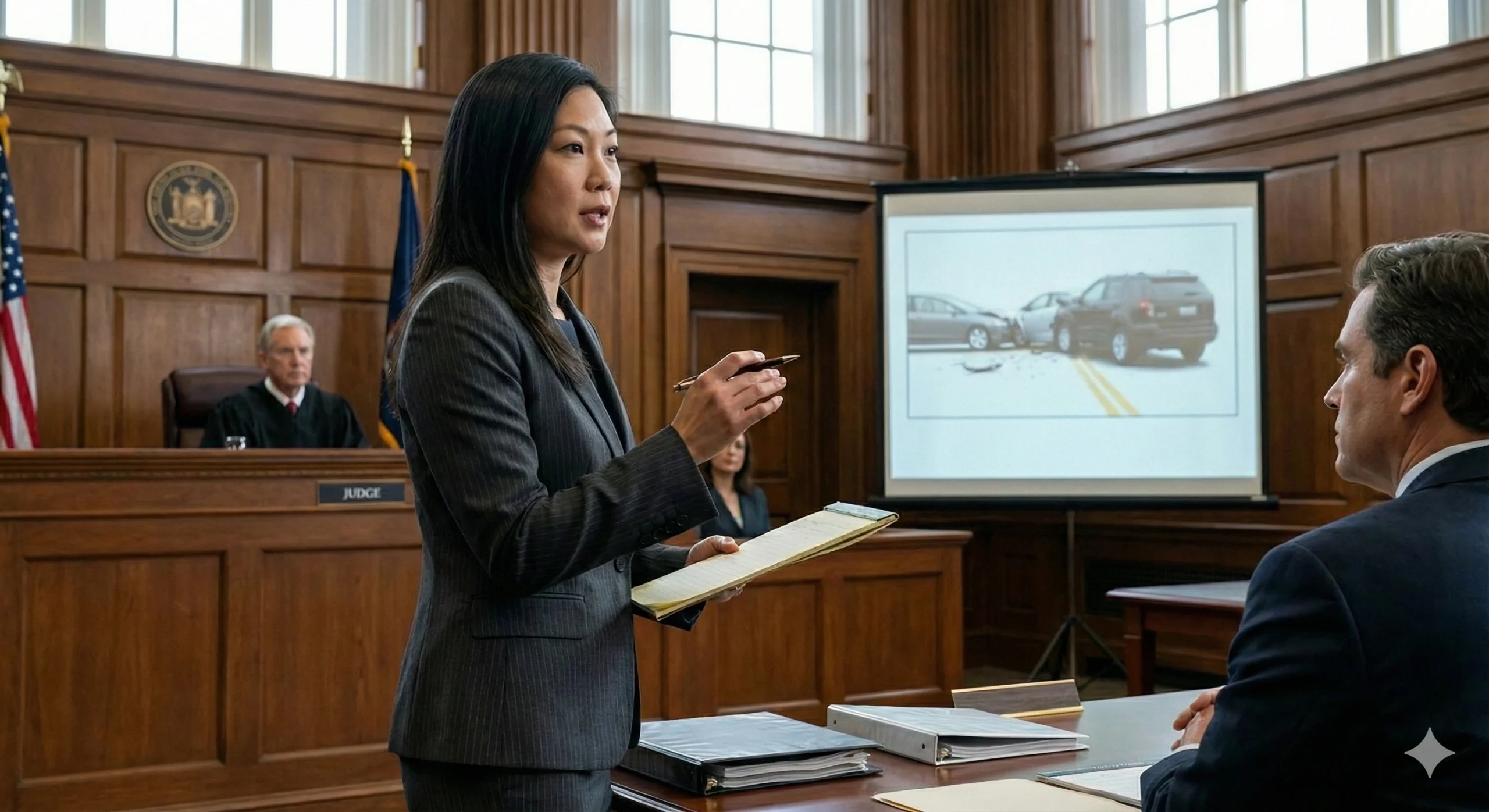
Judicial Standards Applied by St. Louis Auto Accident Lawyers in Rideshare Litigation
Missouri courts apply established negligence standards to rideshare accidents while incorporating statutory overlays specific to transportation network companies. St. Louis auto accident lawyers interpreting judicial negligence standards focus on duty, breach, causation, and damages, just as in traditional auto cases. However, evidentiary requirements often expand due to the digital nature of rideshare operations.
Electronic records maintained by rideshare platforms can serve as critical evidence. These records may include driver login times, route data, and communication logs. St. Louis auto accident lawyers utilizing digital evidence in rideshare claims must ensure proper authentication and admissibility under Missouri rules of evidence.
Courts also evaluate whether statutory insurance requirements were met at the time of the collision. Failure to comply with these requirements can influence liability determinations and coverage availability. Judicial scrutiny in this area reflects the broader regulatory intent to protect the public while accommodating evolving transportation models.
Long-Term Injury Evaluation Through St. Louis Auto Accident Lawyers After Rideshare Accidents
Many rideshare accident injuries extend beyond immediate medical treatment. Chronic pain, mobility limitations, and psychological effects are common in serious collisions. St. Louis auto accident lawyers assessing long-term rideshare injury impacts work with medical professionals to project future care needs and economic losses.
Missouri law permits recovery for future medical expenses and diminished earning capacity when supported by credible evidence. Establishing these damages requires detailed documentation and expert testimony. St. Louis auto accident lawyers preparing future damages analyses ensure that projections are grounded in accepted medical and economic methodologies.
The absence of promotional framing does not diminish the importance of thorough legal preparation. Instead, it highlights the role of methodical evidence development in achieving legally sound outcomes.
The Role of Case Investigation by St. Louis Auto Accident Lawyers in Rideshare Matters
Comprehensive investigation is a cornerstone of effective rideshare accident litigation. St. Louis auto accident lawyers conducting rideshare collision investigations examine police reports, vehicle damage, electronic data, and witness statements to reconstruct events accurately.
Unlike traditional accidents, rideshare cases may involve corporate data retention policies and third-party data custodians. Timely preservation of electronic evidence is therefore essential. Legal standards governing spoliation and discovery apply with equal force, requiring diligence and procedural awareness.
The investigative phase often determines the strength of subsequent legal arguments. Accurate reconstruction supports credible liability assessments and damages evaluation, reinforcing the importance of early and thorough investigation.
How St. Louis Auto Accident Lawyers Navigate Settlement and Litigation in Rideshare Claims
While many rideshare accident claims resolve through negotiated settlements, others proceed to litigation when liability or damages remain disputed. St. Louis auto accident lawyers navigating rideshare settlement negotiations balance factual evidence, statutory obligations, and judicial precedent to present reasoned settlement positions.
When litigation becomes necessary, procedural compliance and evidentiary preparation take precedence. Missouri civil procedure rules govern pleadings, discovery, and trial practice, and rideshare cases are no exception. St. Louis auto accident lawyers litigating rideshare disputes rely on established legal frameworks rather than speculative arguments.
The goal of litigation is not promotional but corrective, seeking legal remedies consistent with statutory intent and judicial interpretation.
Rideshare Accident Trends and Legal Adaptation Observed by St. Louis Auto Accident Lawyers
As rideshare usage continues to grow, legal trends evolve in response. St. Louis auto accident lawyers observing rideshare litigation trends note increased judicial familiarity with app-based evidence and statutory insurance schemes. This familiarity has led to more predictable outcomes, though factual complexity remains.
Legislative updates and regulatory guidance continue to shape the legal landscape. Staying informed about these developments is essential for accurate legal analysis and compliance.
Integrating Statutory Insight With Practical Application Through St. Louis Auto Accident Lawyers
The intersection of statute, technology, and personal injury law defines modern rideshare accident claims. St. Louis auto accident lawyers integrating statutory interpretation with practical evidence provide clarity in an otherwise complex legal environment.
For individuals seeking contextual understanding of how legal processes unfold following rideshare accidents, examining explanatory resources such as St. Louis auto accident lawyers discussing rideshare injury claims in Missouri law offers insight into how statutory frameworks are applied without promotional framing.
Conclusion: Legal Clarity Provided by St. Louis Auto Accident Lawyers After Rideshare Accidents
Rideshare accidents occupy a distinct space within Missouri personal injury law. The combination of statutory insurance layers, digital evidence, and evolving judicial standards requires careful legal analysis. St. Louis auto accident lawyers addressing rideshare accident complexities contribute to legal clarity by applying established principles to modern transportation contexts.
Through methodical investigation, statutory interpretation, and evidence-based advocacy, these legal professionals help ensure that rideshare accident claims are evaluated fairly and consistently under Missouri law. The absence of promotional language underscores the focus on legal process rather than persuasion, aligning with the broader goal of informed legal understanding.