The modern workplace has undergone a structural transformation that few legal systems anticipated at the pace it occurred. By 2026, remote and hybrid work arrangements are no longer transitional experiments but deeply embedded employment models. With that shift comes a complex legal landscape for workers who experience injuries outside traditional office or jobsite environments. Understanding why a Charlotte Workplace Accident Lawyer for remote and hybrid injury claims has become increasingly important requires examining how workplace injury law intersects with evolving definitions of employment, control, and course of work.
North Carolina’s workers’ compensation framework was developed during a time when most work-related injuries occurred at employer-controlled premises. Remote and hybrid injuries challenge those assumptions. When an employee is injured while working from home, a co-working space, or a flexible hybrid location, disputes often arise over whether the injury is legally considered work-related. A Charlotte Workplace Accident Lawyer for hybrid workplace injury disputes helps navigate these gray areas by grounding arguments in statutory interpretation, administrative precedent, and judicial reasoning.
As employment models continue to diversify, legal clarity has not always kept pace. This gap places injured workers in a vulnerable position, especially when employers or insurers question compensability. The role of a Charlotte Workplace Accident Lawyer handling remote work accident claims becomes central in addressing evidentiary burdens, causation standards, and jurisdictional nuances unique to North Carolina law.
The Legal Definition of a Workplace Injury in a Remote Context
Workers’ compensation law relies heavily on the concept of injuries arising out of and in the course of employment. In a traditional setting, this analysis is relatively straightforward. In a remote or hybrid arrangement, however, the boundaries between personal space and work space often overlap. A Charlotte Workplace Accident Lawyer experienced in remote employment injury analysis examines how courts interpret these overlaps when determining compensability.
North Carolina law generally requires a causal connection between employment and injury. When work is performed from home, questions arise about whether the employer exercised sufficient control over the environment. A Charlotte Workplace Accident Lawyer for work-from-home injury cases may rely on evidence such as employer policies, required work hours, and job-related activities occurring at the time of injury to establish this connection.
The distinction between personal comfort activities and work duties also becomes more complex in remote settings. For example, an injury occurring during a brief break at home may still be compensable if it is incidental to employment. A Charlotte Workplace Accident Lawyer addressing hybrid work injury eligibility focuses on how administrative bodies apply these principles to non-traditional workspaces.

Why Hybrid Work Creates New Injury Disputes in 2026
Hybrid work arrangements involve alternating between employer premises and remote locations. This flexibility introduces uncertainty regarding which injuries qualify for workers’ compensation coverage. A Charlotte Workplace Accident Lawyer dealing with hybrid employment injury conflicts often encounters disputes over whether the employee was performing job-related duties at the time of injury.
By 2026, many employers have formalized hybrid schedules, yet injury reporting systems have not always adapted. Delays or inconsistencies in reporting can be used to challenge claims. A Charlotte Workplace Accident Lawyer for delayed remote injury reporting understands how to contextualize these delays within hybrid work norms rather than allowing them to undermine credibility.
Additionally, hybrid work often involves the use of personal equipment or furniture. When an injury results from ergonomic issues at home, insurers may argue that the employer did not control the risk. A Charlotte Workplace Accident Lawyer handling ergonomic injury disputes in Charlotte workplaces examines whether the employer implicitly accepted responsibility by authorizing remote work without providing adequate guidance.
The Role of Employer Control in Remote Injury Claims
Employer control remains a cornerstone of workers’ compensation analysis. In remote work scenarios, control is less visible but still legally relevant. A Charlotte Workplace Accident Lawyer focusing on employer control in remote injury cases evaluates factors such as required software use, monitoring systems, and mandatory availability hours.
Courts have increasingly recognized that digital oversight can substitute for physical supervision. A Charlotte Workplace Accident Lawyer for technology-monitored remote work injuries uses this recognition to argue that employment control extends into the home office. This approach aligns with evolving judicial standards that reflect modern employment realities.
Hybrid work further complicates control analysis when employees move between locations during the workday. A Charlotte Workplace Accident Lawyer examining injuries during transitional periods, such as commuting between home and office on a hybrid schedule, must analyze whether exceptions to the going-and-coming rule apply.
Causation Standards and Remote Work Injuries
Establishing causation is often the most contested element of a remote injury claim. Insurers may argue that injuries stem from preexisting conditions or personal activities unrelated to work. A Charlotte Workplace Accident Lawyer addressing causation in remote injury cases relies on medical evidence, expert testimony, and temporal proximity between work tasks and injury onset.
In 2026, remote work injuries increasingly involve repetitive strain, stress-related conditions, and mental health impacts. While mental injuries present additional hurdles under North Carolina law, a Charlotte Workplace Accident Lawyer experienced in psychological injury claims evaluates whether statutory requirements for compensability are met.
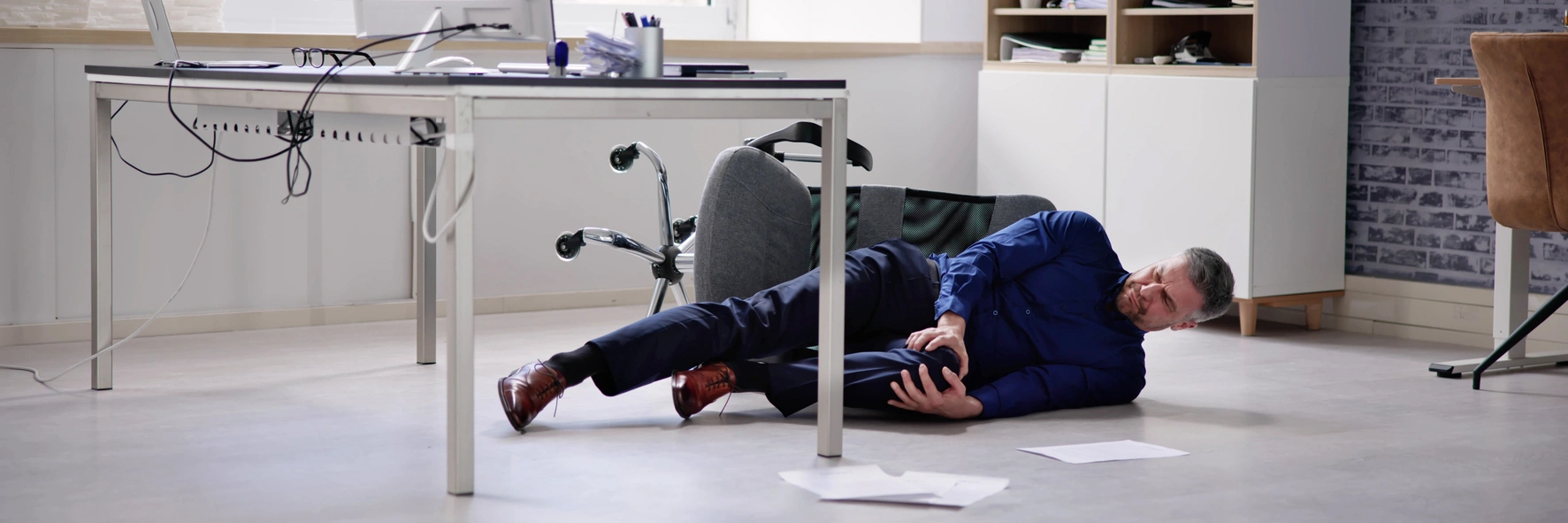
The analysis of causation also extends to accidents caused by household hazards. A Charlotte Workplace Accident Lawyer handling slip-and-fall injuries in home offices examines whether the hazard was incidental to employment, such as cords or equipment required for work duties.
Administrative and Judicial Trends Affecting Remote Injury Claims
Administrative agencies and courts play a critical role in shaping how remote injuries are treated. Recent decisions reflect a gradual recognition that work location alone should not determine compensability. A Charlotte Workplace Accident Lawyer monitoring administrative precedent can anticipate how claims may be evaluated by the North Carolina Industrial Commission.
Judicial standards increasingly emphasize the nature of the activity rather than the place of injury. A Charlotte Workplace Accident Lawyer applying activity-based analysis focuses on whether the employee was advancing the employer’s interests at the time of injury. This shift is particularly relevant in hybrid arrangements where location frequently changes.
Government guidance has also influenced these trends. Federal labor agencies have acknowledged the legitimacy of home offices as workplaces under certain circumstances. For authoritative context on evolving workplace safety considerations, reference to https://www.osha.gov/work-from-home provides insight into how safety responsibilities extend beyond traditional worksites.
Evidentiary Challenges Unique to Remote and Hybrid Injuries
Remote injury claims often hinge on evidence that is less tangible than in traditional cases. There may be no witnesses, surveillance footage, or incident reports created contemporaneously. A Charlotte Workplace Accident Lawyer for evidence development in remote claims understands how to reconstruct events through digital records, time logs, and communications.
Hybrid work injuries may occur during flexible hours, complicating the determination of whether the employee was on duty. A Charlotte Workplace Accident Lawyer addressing flexible schedule injury disputes analyzes employer expectations and customary practices rather than rigid timekeeping alone.
The credibility of the injured worker becomes especially important in these cases. A Charlotte Workplace Accident Lawyer experienced in credibility assessment prepares claims with consistent narratives supported by objective documentation.

Why Legal Representation Matters More in 2026
As remote work becomes normalized, employers and insurers have refined strategies to contest claims perceived as ambiguous. A Charlotte Workplace Accident Lawyer for contested remote injury claims provides a structured legal framework to counter these strategies. Without representation, injured workers may struggle to articulate how their injuries meet statutory criteria.
Legal counsel also ensures compliance with procedural requirements. Filing deadlines, medical authorization forms, and hearing procedures remain strict. A Charlotte Workplace Accident Lawyer managing procedural compliance in hybrid injury cases prevents technical errors from undermining otherwise valid claims.
The evolving nature of work means that precedents are still developing. A Charlotte Workplace Accident Lawyer engaged in legal research and argumentation can draw analogies from emerging case law to support novel claims.
Interaction Between Workers’ Compensation and Other Legal Remedies
Remote and hybrid injuries sometimes implicate third-party liability, such as defective equipment or unsafe premises owned by someone other than the employer. A Charlotte Workplace Accident Lawyer evaluating third-party claims alongside workers’ compensation considers how these remedies interact under North Carolina law.
While workers’ compensation generally provides exclusive remedies against employers, third-party actions may proceed separately. A Charlotte Workplace Accident Lawyer coordinating parallel claims ensures that injured workers understand how settlements and recoveries affect each other.
Hybrid work arrangements may also raise jurisdictional questions when employees work across state lines. A Charlotte Workplace Accident Lawyer addressing multistate employment injuries examines choice-of-law principles and reciprocal agreements.
The Importance of Medical Documentation in Remote Injury Claims
Medical evidence remains foundational in any injury claim. In remote work cases, medical providers may not initially recognize the work-related nature of an injury. A Charlotte Workplace Accident Lawyer guiding medical documentation for remote injuries emphasizes the importance of clear causal narratives in medical records.
Delayed treatment is common when injuries occur at home. A Charlotte Workplace Accident Lawyer addressing delayed medical care issues contextualizes these delays within remote work realities, such as limited access to occupational health providers.
Consistency between medical records and employment records is critical. A Charlotte Workplace Accident Lawyer aligning these records strengthens the overall credibility of the claim.
Long-Term Implications of Remote Injury Decisions
Decisions made in remote injury cases contribute to the broader legal framework governing future claims. A Charlotte Workplace Accident Lawyer involved in precedent-setting cases recognizes the long-term significance of legal arguments and outcomes.
As hybrid work continues to evolve, legal standards will likely adapt incrementally. A Charlotte Workplace Accident Lawyer monitoring these changes ensures that injured workers’ rights are interpreted in light of contemporary employment practices rather than outdated assumptions.
The cumulative effect of these decisions shapes employer policies, insurance practices, and workplace safety expectations. A Charlotte Workplace Accident Lawyer for policy-influencing injury claims understands how individual cases fit into this broader legal ecosystem.
Practical Consequences of Proceeding Without Legal Guidance
Without legal guidance, injured workers may inadvertently provide statements or documentation that weaken their claims. A Charlotte Workplace Accident Lawyer advising on communications helps avoid mischaracterizations that insurers may exploit.
Settlement offers in remote injury cases may not fully reflect future medical needs. A Charlotte Workplace Accident Lawyer evaluating settlement adequacy considers long-term implications, including ongoing treatment and potential disability.
The absence of representation can also lead to missed opportunities for appeal. A Charlotte Workplace Accident Lawyer handling appeals in hybrid injury cases ensures that unfavorable decisions are reviewed under appropriate legal standards.
Integration of Legal Knowledge and Modern Work Realities
The intersection of law and modern work arrangements requires nuanced understanding. A Charlotte Workplace Accident Lawyer integrating legal doctrine with practical knowledge of remote work environments offers a comprehensive approach to injury claims.
By 2026, the distinction between office and home has blurred, but legal protections have not diminished. A Charlotte Workplace Accident Lawyer for remote and hybrid injuries plays a crucial role in translating established legal principles into contemporary contexts.
For those seeking a deeper understanding of how local legal standards apply, discussion surrounding a Charlotte workplace accident lawyer for remote employment injury guidance may reference authoritative legal analysis as part of broader informational research, without implying endorsement or solicitation.
Concluding Perspective on Remote and Hybrid Injury Representation
Remote and hybrid work injuries present legal questions that demand careful analysis rather than assumptions. A Charlotte Workplace Accident Lawyer addressing these injuries in 2026 operates at the intersection of evolving work models and established legal frameworks.
As employment continues to adapt, so too must the interpretation of workers’ compensation law. A Charlotte Workplace Accident Lawyer for modern workplace injury claims ensures that legal protections remain meaningful regardless of where work is performed.
Understanding the necessity of informed legal representation in this context is less about advocacy and more about ensuring that statutory rights are applied consistently and fairly. In an era defined by flexibility and technological integration, the guidance of a Charlotte Workplace Accident Lawyer experienced in remote and hybrid injury law remains a stabilizing force within an otherwise shifting legal landscape.