Rideshare usage in Texas has surged in recent years, but the aftermath of a collision can raise critical questions about injury claims and financial recovery for those involved. Understanding passenger rights in Texas car crash rideshare accidents is vital, especially when navigating Uber and Lyft’s complex insurance requirements in 2025. Every individual who occupies a rideshare vehicle has distinct legal protections rooted in Texas state statutes, ensuring the ability to pursue compensation if harmed by the negligent actions of any party.
The statutory framework specifically sets standards on who is financially responsible after an accident. Texas law requires Uber and Lyft, as transportation network companies, to carry robust insurance at various stages of a ride. This structure directly shapes passenger rights in Texas car crash involving rideshare vehicles, protecting victims from uncovered losses and clarifying procedures when claims must proceed through multiple insurers.
How Insurance Applies to Passenger Rights in Texas Car Crash Cases
Insurance coverage for passengers involved in Uber and Lyft accidents operates under a tiered system. The driver’s activity at the moment of the crash determines whether corporate rideshare insurance or the driver’s personal policy will respond. Period one occurs when the rideshare app is on, but no ride has been accepted; period two covers the window when a ride is accepted until pickup, and period three lasts throughout the trip. Each period brings different insurance layers into play.
During an active ride or after a trip has been accepted, Texas law mandates that Uber and Lyft provide up to $1 million in liability coverage. This component of passenger rights in Texas car crash during rideshare activity empowers injured parties to file claims that address substantial medical costs, lost earnings, or other losses, provided the app-related phase is proven. On the other hand, if the driver is only available for rides or simply logged in, lower coverages apply, and the process for establishing fault can grow more complex.
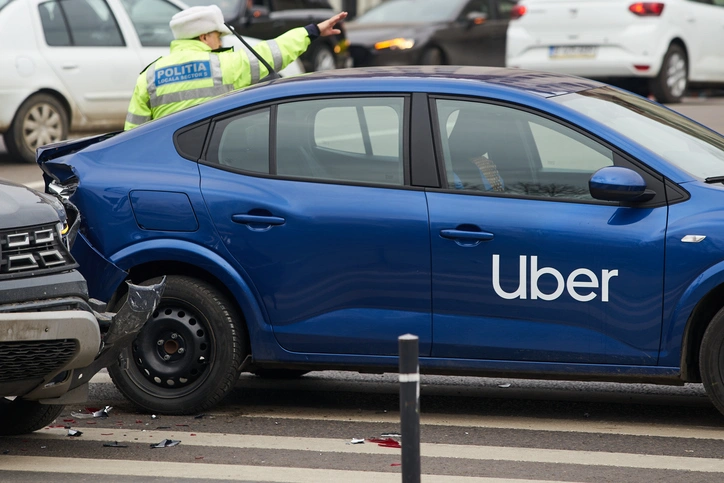
Uber and Lyft Insurance Layer Details Affecting Passenger Rights in Texas Car Crash Scenarios
When analyzing passenger rights in Texas car crash Uber Lyft policies, it is crucial to know the nuances of Texas insurance laws for 2025. While the mandatory $1 million coverage applies once the app marks the ride as active, there are coverage gaps if the accident occurs when a driver is waiting for a ride request. In those moments, passengers may have access to limits as low as $50,000 for bodily injury per person, $100,000 in total per crash, and $25,000 for property damage, though real-world recovery can depend on how the claim is presented and what the investigation reveals about app status.
In select circumstances, other types of coverage—such as uninsured or underinsured motorist (UM/UIM) and personal injury protection (PIP)—may also offer remedies for injured passengers. The interplay of these insurance layers means individuals benefiting from passenger rights in Texas car crash rideshare incidents must thoroughly document all facts at the scene. Securing accident reports, screenshots of trip status, and communication with both Uber/Lyft support can significantly help in clarifying the applicable insurance phase.
Judicial Standards and Legislative Definitions Impacting Passenger Rights in Texas Car Crash Claims
Under Texas Insurance Code §1954.052, companies like Uber and Lyft must carry at least $1 million in aggregate liability whenever transporting a rideshare passenger. This legislative requirement sets a judicial benchmark that strengthens passenger rights in Texas car crash rideshare cases by holding transportation network companies to high standards when their service directly results in injury. Additionally, transportation network companies in Texas are subject to oversight and audit by the Texas Department of Insurance to ensure ongoing compliance with coverage requirements. For up-to-date legal mandates, the Texas Department of Insurance offers official guidance for both passengers and TNCs (read more at the Texas Department of Insurance.
Fault, Comparative Negligence, and Passenger Rights in Texas Car Crash Resolutions
Texas law operates under a modified comparative negligence standard for accident claims. This legal principle means that if a passenger’s own actions contributed to their injuries—for example, failing to wear a seatbelt as required by statute—any settlement or award may be reduced in proportion to their degree of fault, up to a threshold of 50%. This provision directly affects passenger rights in Texas car crash rideshare insurance claims, influencing not only the likelihood of success but also the ultimate value of any compensation received.
Establishing fault in rideshare crashes can become a multi-party process involving the rideshare driver, other motorists, and sometimes even the passenger. Each participant’s liability is evaluated according to thorough state standards, emphasizing the need for detailed evidence, contemporaneous records, and in some cases, testimony.
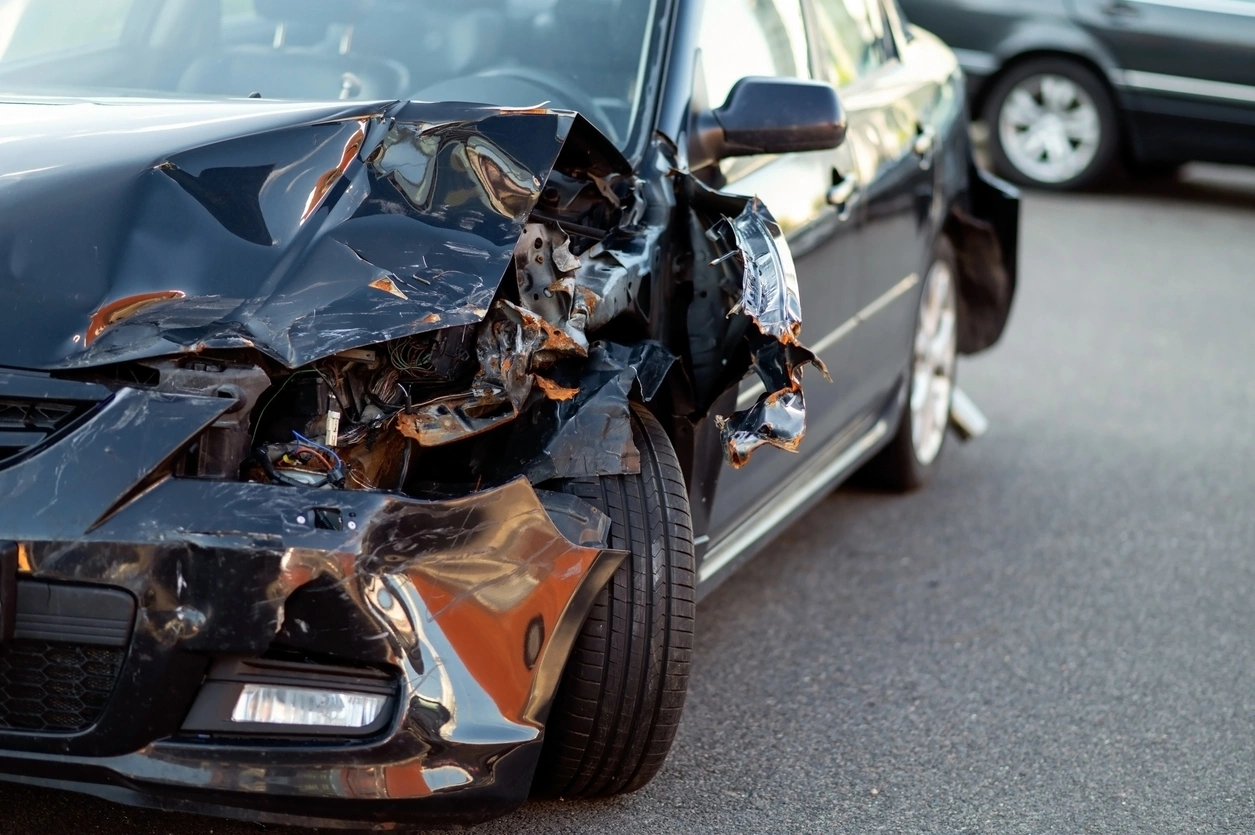
Pursuing Claims Under Passenger Rights in Texas Car Crash Law
The actual process for injured rideshare passengers seeking relief under passenger rights in Texas car crash Uber and Lyft accidents involves several sequential steps. First, an insurance claim is submitted against whichever policy is primarily responsible based on ride status at the time of the incident. If a resolution is not forthcoming, passengers may escalate their pursuit through litigation against at-fault parties, including drivers and, where allowed, the transportation network company itself.
One of the core rights is the ability to seek financial recovery for a variety of damages, including medical expenses, lost wages, pain, suffering, and in some cases, punitive damages if egregious misconduct is present. Navigating these claims is characterized by robust documentation, clear proof of losses, and systematic correspondence with insurance adjusters and legal advocates.
Less-Obvious Factors Shaping Passenger Rights in Texas Car Crash Outcomes
There are underlying issues that often influence how passenger rights in Texas car crash rideshare accidents are resolved. The status of a rideshare driver’s personal auto policy, whether the proper declarations and consents were provided (such as for UM/UIM and PIP coverage), and even passenger conduct all play a role in the availability, scope, and timeliness of compensation provided. Many passengers are unaware that their own health or auto insurance policies can coordinate with rideshare or third-party insurance in complex cases.
Additionally, in catastrophic or multi-party accidents, the total value of claims may exceed existing insurance limits. In such cases, claimants must be aware that recoveries can be subject to pro-rata distribution according to judicial standards.
2025 Considerations and Legislative Updates for Passenger Rights in Texas Car Crash
The year 2025 brings continued attention to the effectiveness and clarity of Uber and Lyft insurance requirements in Texas. The focus remains on maximizing protection for rideshare passengers, ensuring that passenger rights in Texas car crash rideshare-related matters keep pace with technological changes, new case law, and evolving statutory standards. Continual review by relevant agencies helps reinforce the principle that no injured passenger should be unfairly burdened by ambiguous or insufficient insurance.
Regulatory efforts for 2025 also promote education for riders on their rights and the steps they should take immediately after a collision. Knowing how and when to notify Uber, Lyft, or insurers, and understanding deadlines for filing claims, is central to fully exercising passenger rights in Texas car crash involving ridesharing services.
How to Protect Passenger Rights in Texas Car Crash Situations — Best Practices
Asserting passenger rights in Texas car crash rideshare accidents starts with a few key actions: document everything after the collision, confirm the app’s status with your driver, and request detailed reports from responding law enforcement. These steps are vital, as having a clear paper trail ensures that your claim triggers all possible insurance layers provided by Uber, Lyft, and any supplemental coverage.
Moreover, legal precedent and experience demonstrate that prompt engagement with the responsible insurer—especially with explicit mention of the applicable Texas insurance codes and documented proof of ride circumstances—often leads to better outcomes.
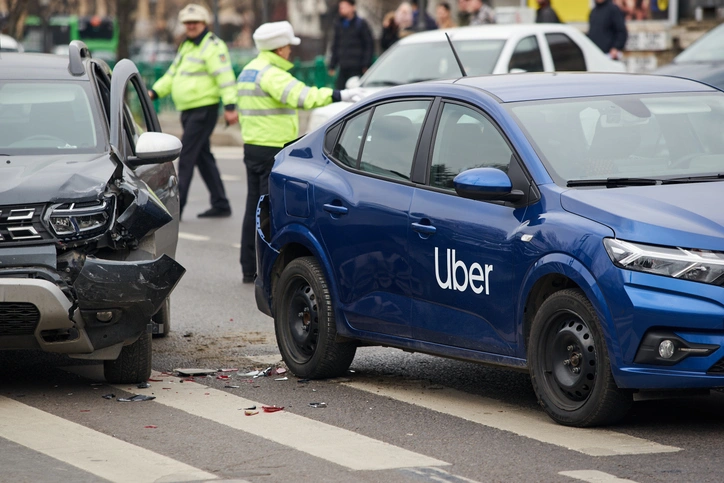
When to Reference Judicial and Governmental Standards for Passenger Rights in Texas Car Crash
For those seeking deeper clarity on passenger rights in Texas car crash rideshare lawsuits, referencing reliable government and judicial resources is invaluable. Statutes such as Texas Insurance Code §1954.052 outline the core requirements for coverage and claims. Equally, timely insights from state agencies and published decisions by state courts set useful benchmarks for coverage interpretation. The official Texas Department of Insurance resource provides comprehensive details readers can review at **https://www.tdi.texas.gov/tips/ride-sharing.html**.
Embedded Resource for Passenger Rights in Texas Car Crash Guidance
For further guidance on your rights and remedies, you may review the state’s leading resource on the subject, which details crucial points about passenger rights in Texas car crash rideshare accidents under current law. This in-depth overview is available at passenger rights in Texas car crash.
Final Thoughts on Exercising Passenger Rights in Texas Car Crash Rideshare Claims
Understanding the tiered insurance structure, applicable statutes, and strategies to assert passenger rights in Texas car crash situations is decisive for maximizing outcomes in the event of an Uber or Lyft accident. The combined effect of state laws, judicial standards, insurance protocols, and organized evidence will determine the eventual result for injured parties.
To ensure full protection and compensation, it is essential to rely on official legal definitions, act promptly, gather extensive documentation, and reference government resources at every decision point regarding passenger rights in Texas car crash rideshare accidents in 2025.