Driving at safe following distance is a fundamental aspect of responsible and defensive driving that significantly contributes to road safety. This term refers to the space or time gap a driver maintains between their vehicle and the one ahead to ensure there is sufficient time and distance to react safely to sudden stops or changes in traffic conditions. It is not just a matter of personal safety but also a legal requirement in many jurisdictions, aimed at preventing rear-end collisions and promoting smooth traffic flow.
Maintaining a proper driving at safe following distance allows drivers to respond effectively to sudden braking or hazards, thereby reducing the risk of accidents. When drivers follow too closely, also known as tailgating, they reduce their reaction time, increasing the probability of crashes. This practice becomes even more critical in adverse weather or poor visibility, where stopping distances increase substantially.
Understanding Safe Following Distance and Its Legal Context
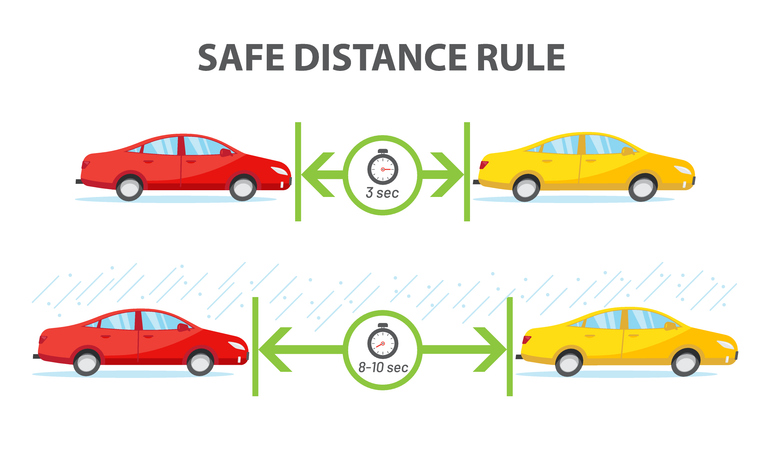
The concept of driving at a safe following distance is often quantified using time rather than physical distance, typically expressed in seconds, known as the “three-second rule.” This rule suggests that a driver should stay at least three seconds behind the vehicle in front under normal driving conditions. Various government and traffic safety authorities, including the National Highway Traffic Safety Administration, endorse this guideline to mitigate crash risks.
Adjustments to this general rule are necessary depending on specific conditions. For example, in rainy, snowy, or icy weather, increasing your following distance beyond three seconds to four, five, or even more seconds is prudent. Commercial vehicles and large trucks, due to their weight and size, require even greater safe following distances to accommodate their longer stopping distances. These legal and safety guidelines stress the importance of proactive adjustment of driving distance based on current road and traffic conditions.
Why Maintaining a Driving at Safe Following Distance Is Crucial for Road Safety
Maintaining an appropriate driving at safe following distance is critical for several reasons related to safety and traffic management. First and foremost, it prevents rear-end collisions, which are among the most common types of traffic accidents. When the driver ahead brakes suddenly, a safe gap allows the trailing driver time to react and brake without crashing into the vehicle in front.
Secondly, a safe following distance enhances reaction time. Unexpected events on the road, such as an animal crossing, debris, or emergency maneuvers by other drivers, require split-second responses. A well-maintained gap ensures drivers have enough space to react calmly and appropriately.
Additionally, maintaining such distance improves overall visibility and situational awareness. Being too close to the vehicle ahead limits the driver’s ability to see further down the road, restricting their ability to anticipate hazards. In contrast, a safe following distance grants better line of sight and helps drivers make informed decisions, especially in heavy traffic or complex driving environments.
How Driving at Safe Following Distance Adapts to Different Driving Conditions
The necessity of adjusting driving at safe following distance according to environmental and traffic conditions cannot be overstated. Normal dry road conditions with clear visibility support the basic three-second rule. However, when drivers face rain, fog, snow, or icy roads, the required following time significantly increases due to the reduced traction and longer stopping distances needed.
Moreover, factors such as high speeds demand larger gaps. The faster a vehicle travels, the more stopping distance it requires. Thus, drivers on highways or expressways should increase their following distance to at least four or five seconds or more to allow adequate stopping time.
Visibility also plays a major role. Night driving or situations with limited visibility require increased space to accommodate slower reaction times. In all cases, drivers should consciously avoid tailgating, which is both unsafe and often subject to traffic citations for failure to maintain a proper safe following distance.
Practical Ways to Measure and Maintain Driving at Safe Following Distance
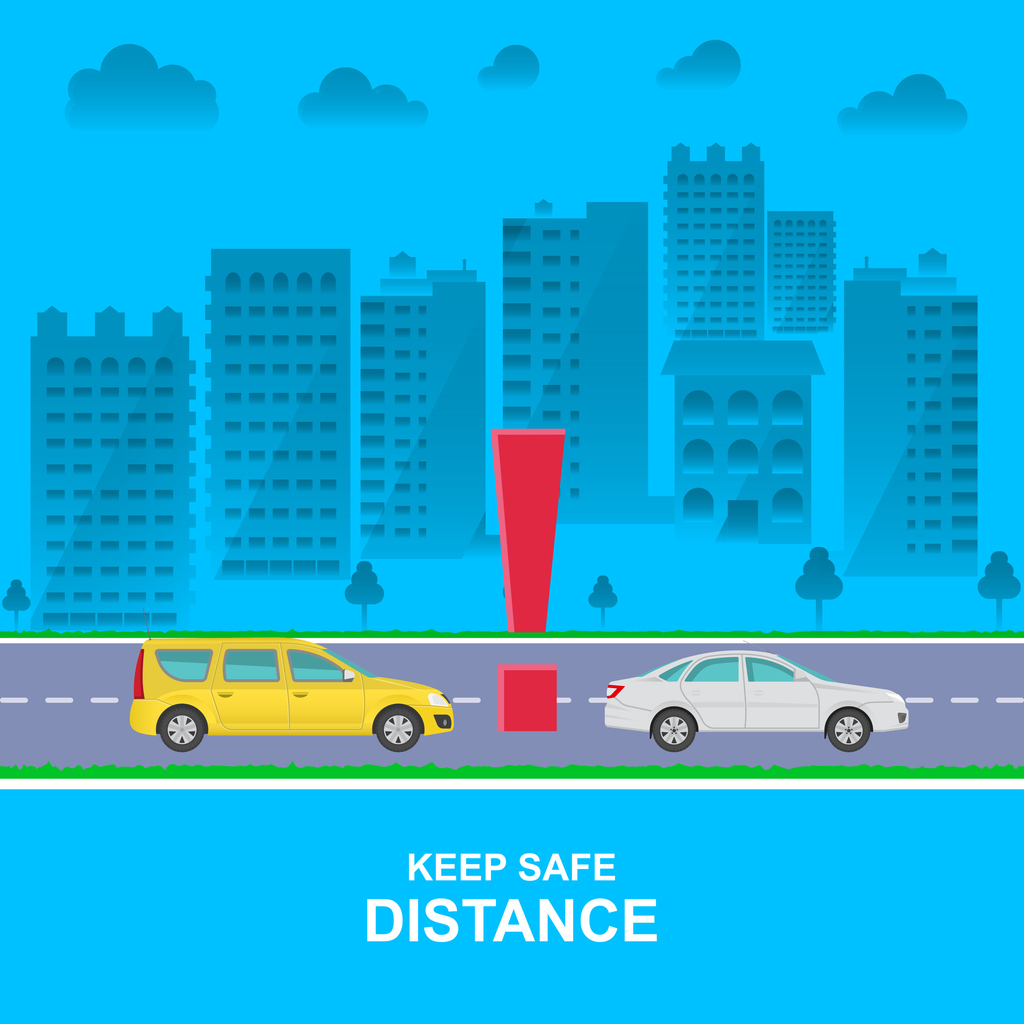
An effective way to gauge a driving at safe following distance is by employing the “four-second rule,” which many safety experts recommend for increased safety margins. Drivers can choose a fixed roadside reference point such as a signpost or tree. When the vehicle ahead passes that point, begin counting seconds slowly: “one thousand one, one thousand two,” up to four seconds before the driver reaches the same point. If the vehicle arrives sooner, the gap is insufficient.
Drivers should regularly evaluate and adjust this interval based on conditions. For example, on wet or icy roads, doubling the standard following interval can provide the necessary additional braking distance. Beyond counting seconds, drivers must remain alert to other variables such as traffic flow, road grade, and vehicle type, all of which influence the appropriate following distance.
Legal and Safety Perspectives on Increasing Following Distance
The legal frameworks in several states and countries establish minimum safe following distances to hold drivers accountable for maintaining road safety. For example, the Road Traffic Safety Act in some regions explicitly requires a minimum two-second gap at the speed a vehicle travels, with a longer distance advised for faster speeds. Failing to keep this safe distance can lead to fines and liability in the event of accidents.
Safety guidelines often recommend increasing the following distance when behind motorcycles—as their stopping distance is shorter and they are more vulnerable on the road. Similarly, large commercial trucks must maintain greater distances due to their extended stopping capabilities.
Drivers should also increase following distance when approaching hazards such as emergency vehicles, construction zones, or poor weather conditions. Understanding when to adapt your following distance is vital.
Impact of Safe Following Distance on Traffic Flow and Driver Stress
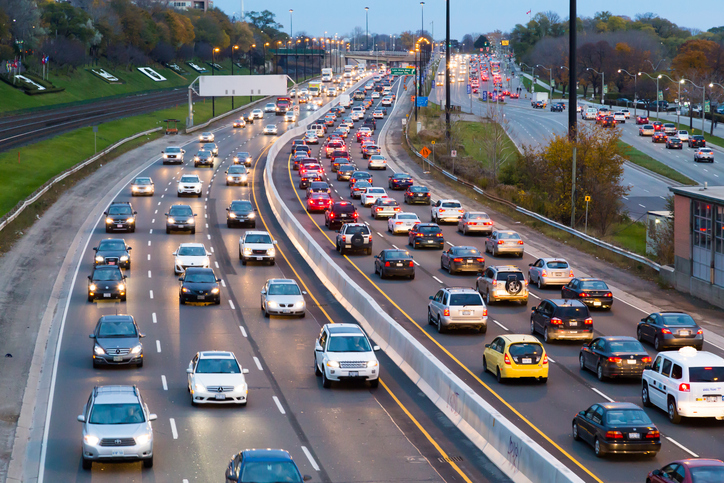
Maintaining a consistent and safe driving gap not only prevents collisions but also promotes smoother traffic movement. When vehicles follow too closely, sudden braking causes ripple effects in traffic flow, leading to congestion and secondary crashes. A safe following distance allows traffic to move steadily and reduces the stop-and-go conditions that increase road rage and driver stress.
Moreover, drivers who maintain safe distances generally experience less stress and fatigue, as they are not forced into abrupt maneuvers or constant vigilance to avoid collisions. This contributes to safer driving habits and a more pleasant driving experience overall.
Conclusion: Emphasizing the Importance of Driving at Safe Following Distance
In conclusion, driving at safe following distance is a critical practice that every driver must prioritize for their own safety and the safety of others on the road. It ensures sufficient reaction time, prevents rear-end collisions, and adapts to various traffic and weather conditions to enhance overall road safety. Legal guidelines and established best practices emphasize this principle as non-negotiable, highlighting the responsibility of all drivers to maintain it. By consciously applying these principles and respecting safe following distances, drivers can significantly reduce accident risks and contribute to a safer driving environment.
For further reading on specific scenarios and timing to increase following distance, consult the detailed insights on when to increase the safe following distance for drivers and official guidance from the U.S. Department of Transportation at NHTSA.gov to stay updated with safety regulations and recommendations.